The Brain Disease Model
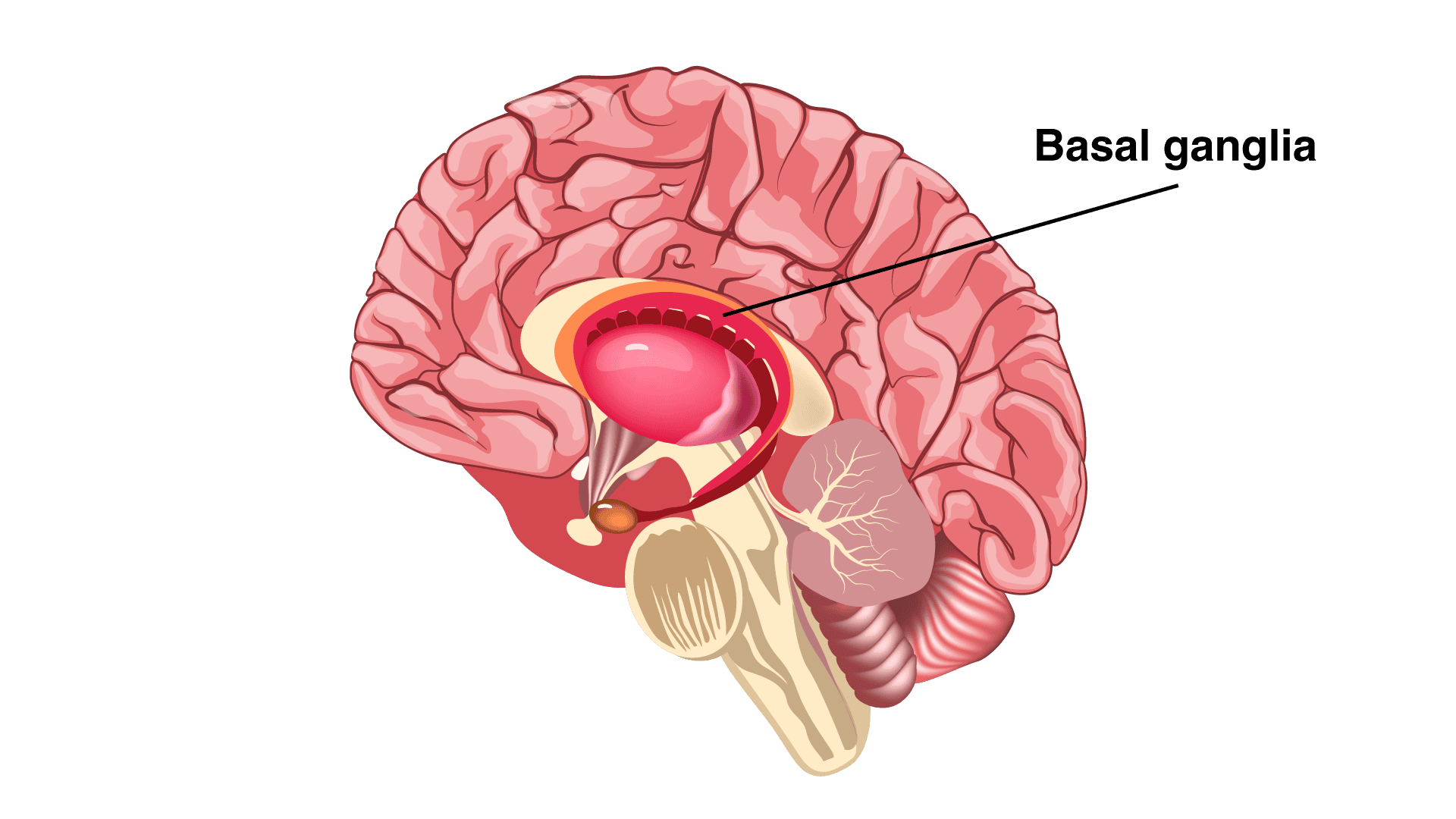
Basal ganglia
Basal ganglia
- This area is often referred to as our reward circuit.
- Drugs overstimulate this region, creating the euphoria of the drug’s high.
- Repeated drug use causes the reward circuit to adapt, making it less sensitive and hard to feel pleasure from anything else.
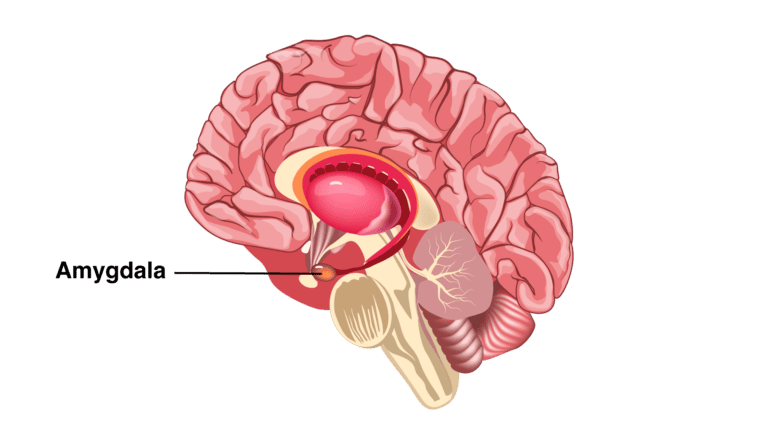
Extended Amygdala
Extended Amygdala
- This area is involved with stress and feelings of anxiety, irritability, and unease.
- Drug use makes this circuit more sensitive over time.
- In some cases, a person with SUD uses drugs to get relief from these feelings.
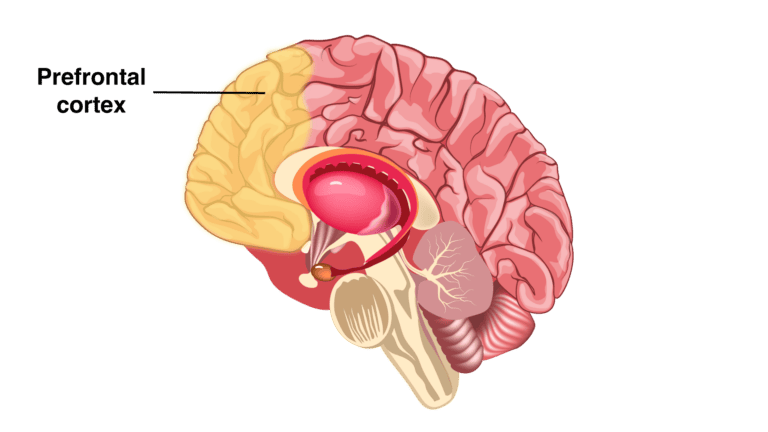
Prefrontal Cortex
Prefrontal cortex
- The prefrontal cortex helps us make decisions, plan ahead, solve problems, manage our behavior, and control impulses. These abilities are called executive functions.
- This area of the brain is one of the last to fully mature.
- Continued drug use can weaken these functions, making it harder to control impulses and resist the urge to seek and use drugs.