
3e. More Meditation Techniques

There are many different meditation techniques. Check out six different techniques below!
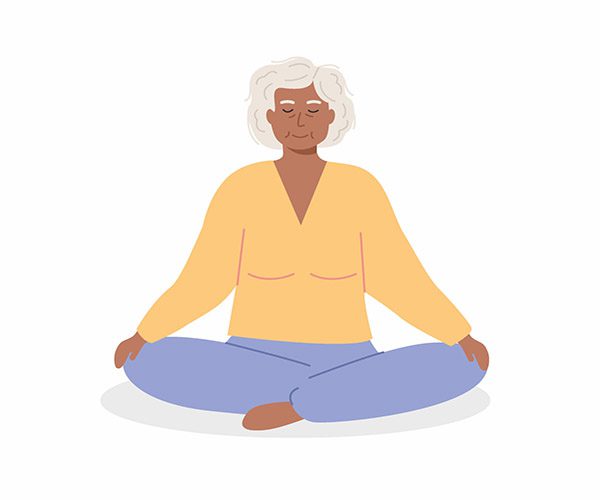
Progressive Muscle Relaxation

Progressive Muscle Relaxation (PMR) is a meditative exercise used to release tension within the body and promote a feeling of relaxation. Its basic concept is to slowly tense and then relax each muscle.
1
PMR begins by laying flat on your back (or in a comfortable position) with your eyes closed; begin taking slow, deep breaths
2
Starting from the top, tense your forehead; focus on the tension you feel in this area
3
Slowly release this tension; focus on the relaxation you feel in this area
4
Complete these steps with the rest of your body, including eyes and nose, mouth and cheeks, neck and shoulders, arms and hands, chest and stomach, glutes and legs, ending with your feet and toes
5
Ensure you keep a deep and slow breathwork throughout the entire practice

Body Scans

The goal of body scan meditation is to check in with your body and the physical feeling of being in it. The point is not to take action, or worry about aches and pains, but to simply notice yourself and the body you are in.
1
Begin the exercise in a comfortable position of your choice
2
The first thing you may notice is the physical sensation of your breathing; try to focus on this sensation for a couple of minutes
3
Next, turn your attention to another area of the body; this can be a general area of focus, or can fall into a sequence (ie. start with the toes, feet, and legs, working your way up to the top of your head)
4
Focus your attention to each area for a couple of moments; if your mind wanders off, simply regain your focus to the part of your body you last remember

Loving-Kindness Meditation

The goal of this meditation is to extend compassion towards oneself, others and the larger world. Keep in mind that you cannot will yourself to feel a certain way; rather you can remind yourself that you, and others around you, deserve happiness.

1
Start the meditation by calling to mind the good-hearted things you have done; reflect and rejoice in those memories
2
Silently recite the phrases that reflect what you wish for most deeply for yourself, for example:
• May I live in safety
• May I live with ease
• May I have mental happiness
• May I have Physical happiness
3
Repeat the phrases so they fall into a rhythm that is pleasing to you; focus on one phrase at a time
4
After some time, now visualize yourself in the center of others who have been kind to you, or inspired you by their love. These individuals can be people you have met, your ancestors or spiritual figures
5
As you keep repeating your phrases of loving-kindness, visualize yourself as the recipient of the circle’s love and attention
6
Once you are ready to end the session, let go of the visualization, and keep repeating your phrases for a few more moments

Gratitude Meditation

The goal of this meditation is to extend compassion towards oneself, others and the larger world. Keep in mind that you cannot will yourself to feel a certain way; rather you can remind yourself that you, and others around you, deserve happiness.

1
Begin the meditation in a quiet place; you can choose to sit upright, or lie down in whatever position is comfortable for you
2
Gently close your eyes; if you choose to keep them open, maintain a soft focus, 6-12 feet in front of you
3
Take a slow, deep breath and bring yourself to the present moment
4
Take a minute or two to mentally scan your body; notice any areas that are tense or sore. As you breathe in, fill those areas with warm oxygen and release any tension on the breath out
5
Take note of any worries, fear, anger, judgment, or other negative feelings; breathe into these emotions and allow them to flow out of you on the breath out
6
Note any thoughts you may have other than being here, breathing; breathe into those thoughts and allow them to flow out of you on the breath out
7
Now that you have cleared your body, mind, and emotions, focus on the wonderful gifts that you already have, such as:
• The gift of life
• The gift of taste
• The gift of hearing
8
Now, think about what you have today that makes your life easier than it was for your ancestors, such as:
• Clean, drinkable tap water
• Phones to stay in touch with friends and family
• Cars to take you wherever you need to go
9
Now, take some time to reflect on the people who work hard to make your life easier and more comfortable, such as:
• Farmers who plant, grow, and harvest your food
• Workers who build and maintain the roads that you drive on
• Truck drivers who deliver your goods and food from all over the country
10
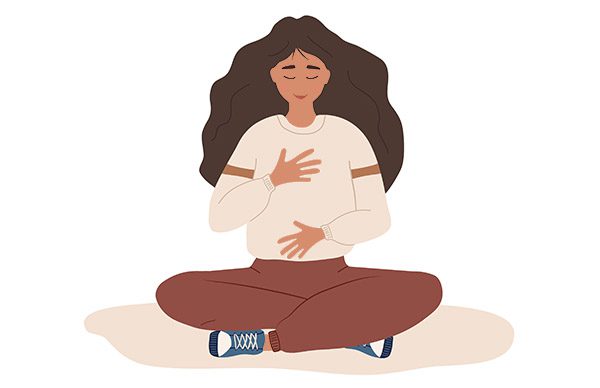
Now, consider all the people and pets you know, or have known, that have enriched your life in some way or another
11
Take another moment to reflect on your own personal reasons to feel grateful in this moment
12
As you end the meditation, rest quietly, noticing how you feel in your body, mind, and emotions

Mantra Meditation

A mantra is a chant, such as a phrase or prayer, that is used in the mantra meditation practice. Mantra meditation has been proven to help silence racing thoughts and calm the nervous system.
1
Select a word, phrase, or prayer you wish to use for this meditation; your mantra should be short and easy to remember. Ensure your mantra is uplifting and avoids stirring up thoughts or disturbing your mind
2
Sit in a comfortable position, supporting your back with a blanket or pillow; close your eyes and take a few slow, deep breaths
3
Begin repeating your mantra slowly, concentrating on its sound; repeat the mantra in unison with your breathing rhythm
4
After about 10 recitations, keep repeating the mantra but only by moving your lips; after another 10 recitations, stop moving your lips and recite the mantra internally
5
Continue the meditation as long as you like; once you are ready to end, take a few deep breaths and quietly reflect on what you feel

Walking Meditation

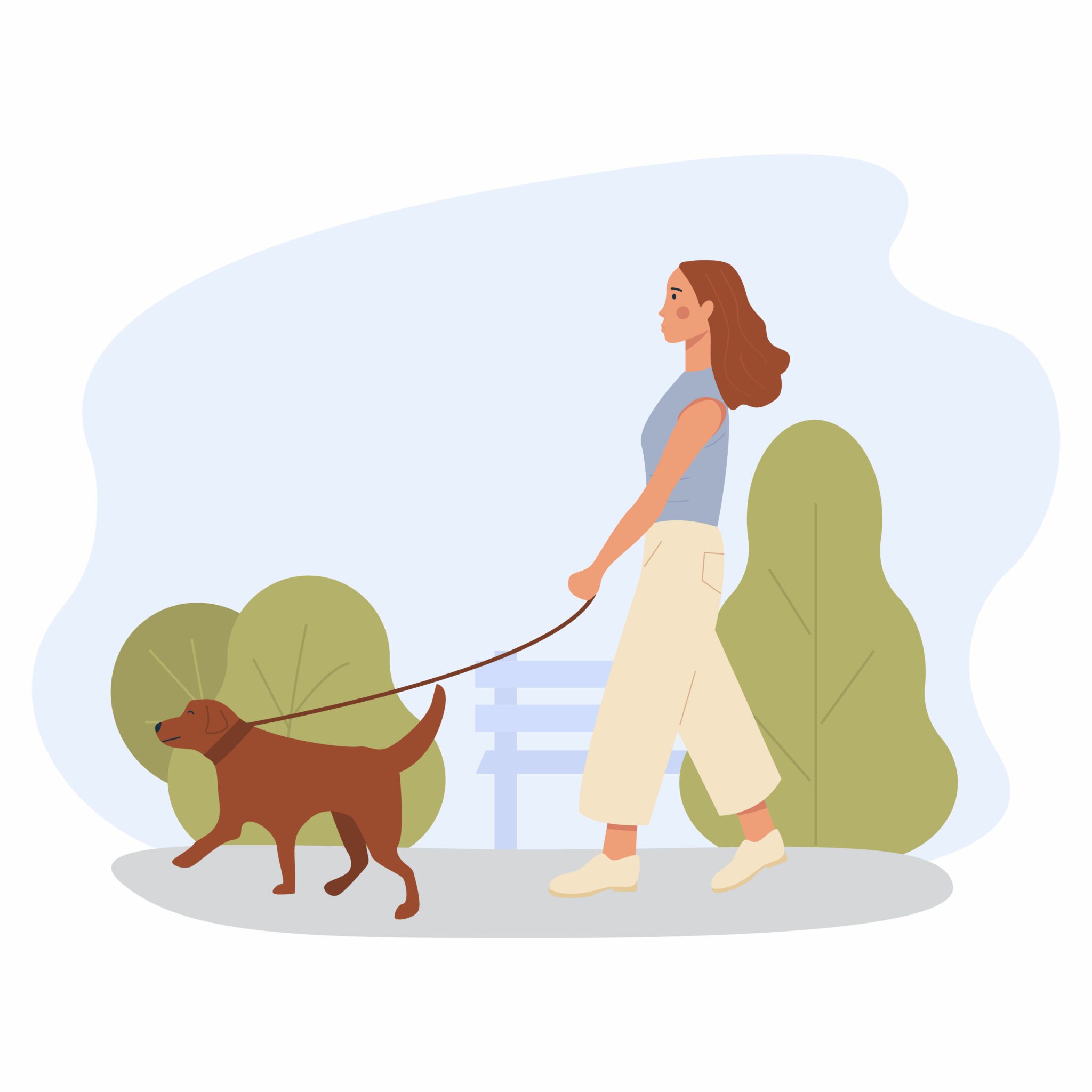
A walking meditation incorporates the practice of mindfulness into physical activity. This meditation brings awareness to what is felt with each step.

1
Start by walking at a natural pace; place your hands wherever you feel comfortable
2
If you choose, you can count your steps up to 10, starting back at 1 again and repeating this cycle through the meditation
3
With each step, focus on the lifting and falling of your foot; notice the movement of your legs and the rest of your body
4
If anything else captures your mind, simply come back to the sensation of walking
5
Maintain a sense of the environment around you; take it all in and stay safe and aware of your surroundings